My Halloween Horrors by James Aitchison

Leave a comment

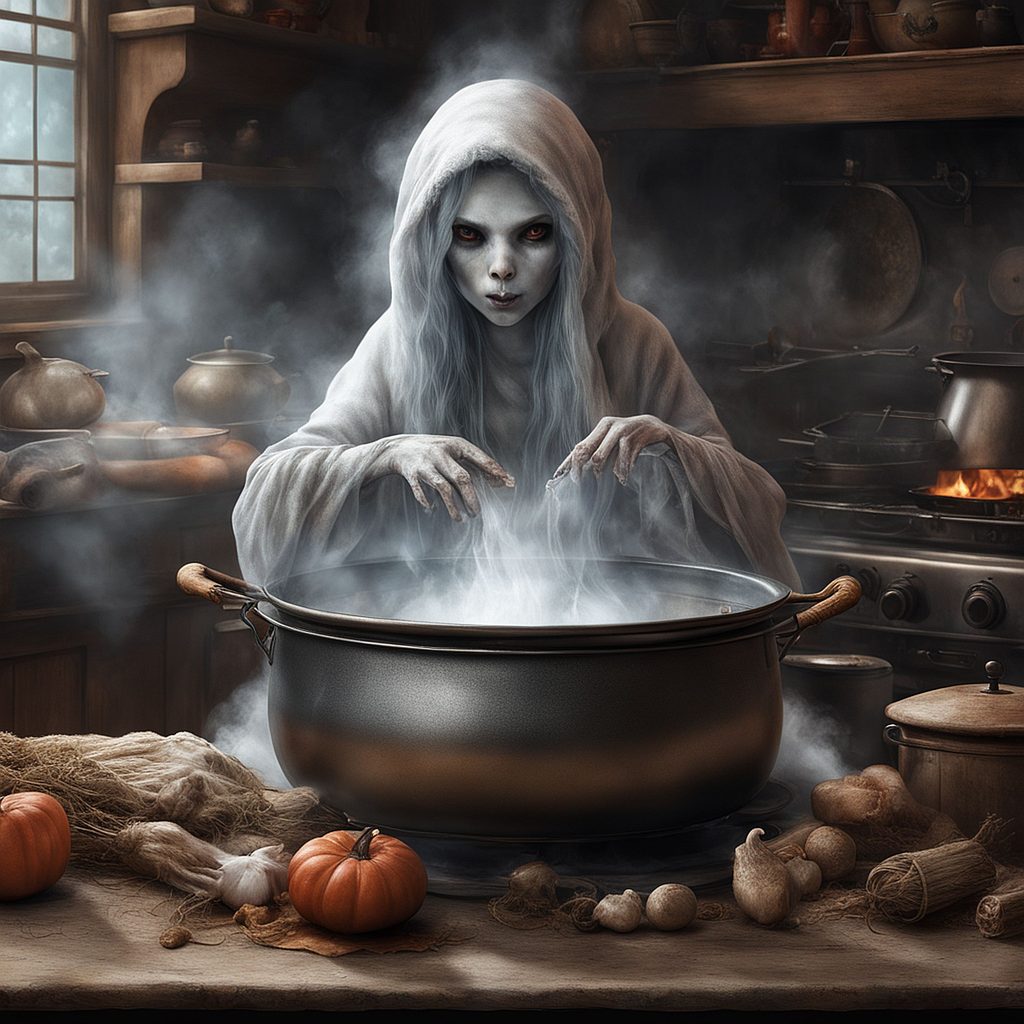
I knock on the door,
who will be there?
Out comes a ghost —
a frightful scare!

The ghost has got me
in its spell —
no treats for me,
and what’s that smell?

The ghost’s cooking me
in a witch’s brew —
with eye of newt
and rats’ tails too!

The water’s bubbling
under my chin,
and the ghost gets a snake
and tips it in!

Oh no, oh no —
what can I do?
But it’s only a dream,
it’s all over — “Phew…”

Image from Pixabay

The Circly Wirkly Tree by James Aitchison

Leave a comment

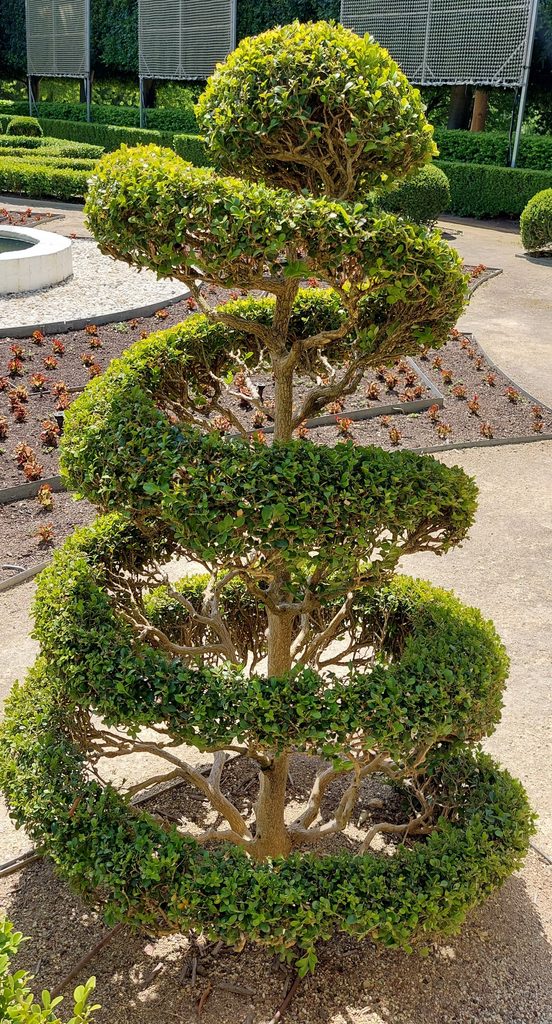
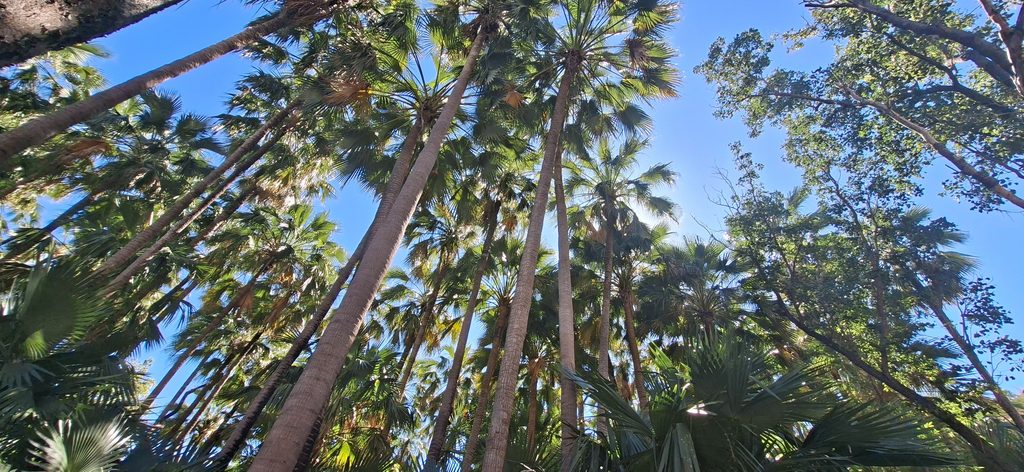
I saw a circly-wirkly tree
making quite a show,
its circly-wirkly branches
in circles liked to grow.
Round and round
without a stop,
up to that bobble
on its top.

At first it made me giddy,
so I sat down in the shade,
and that’s when someone told me
the tree had been hand-made!

Teacher’s note: This poem can be used to talk about topiary, the art of shaping bushes.  Students can be asked to bring examples of topiary to class.

Photo by Ginette Pestana

This post was scheduled for Thursday 22nd October, however we are currently having problems behind the scenes with the ACP website. Please accept our apologies.

Cheryl’s Fingernails (Onomatopoeia) by James Aitchison

Leave a comment

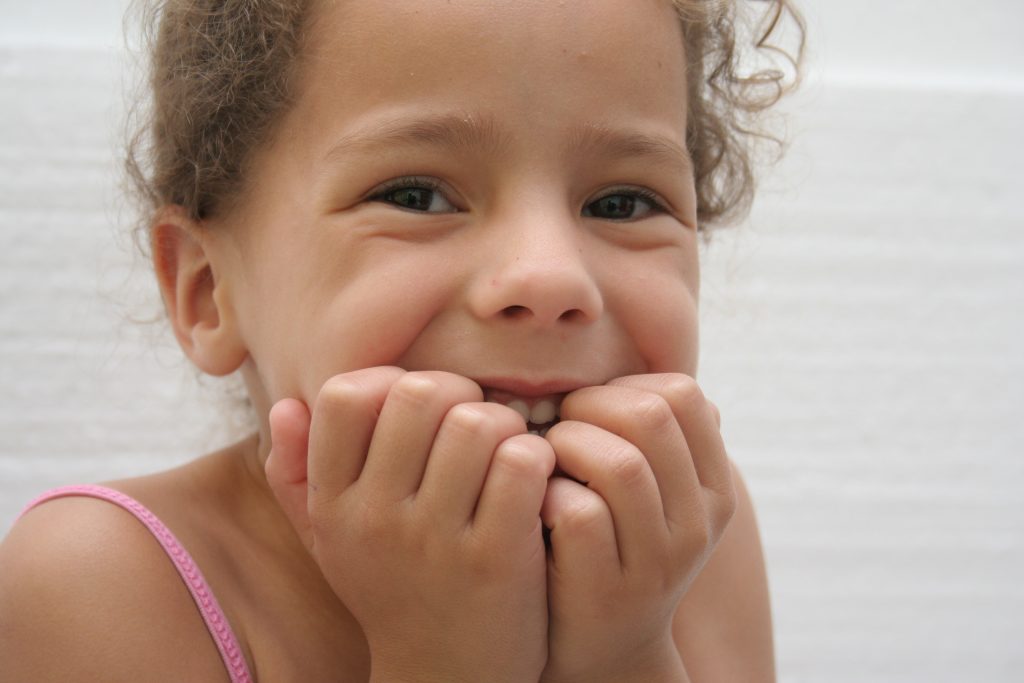
Whenever life
goes off the rails,
Cheryl chews her
fingernails.
Chomp, chomp,
she chews away,
Chomp, chomp,
she chews all day.
They look bitten,
they look ragged,
so uneven,
really jagged.
She chews so hard,
goodness knows —
she’ll chew up to
her elbows!

Image from Pixabay

This post was scheduled for Tuesday 20th October, however we are currently having problems behind the scenes with the ACP website. Please accept our apologies.

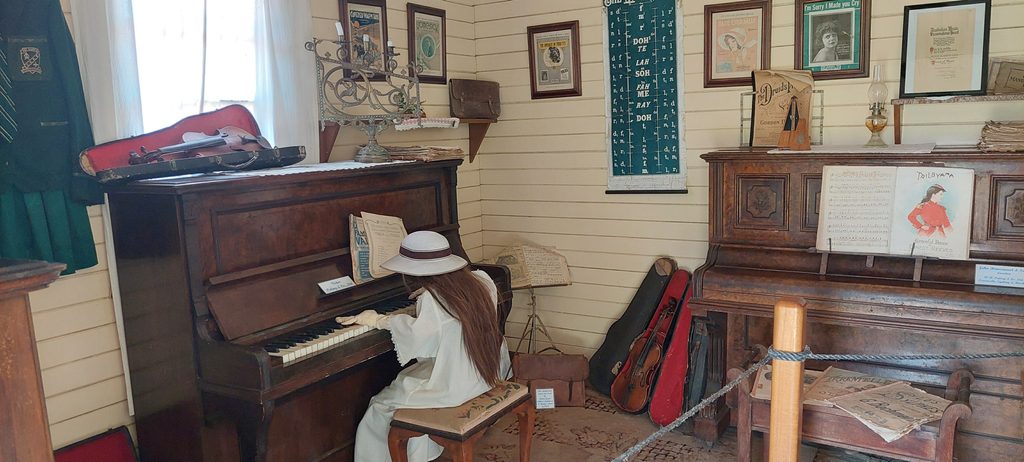
My Mad, Mad Music Room by James Aitchison

Leave a comment

Doh ray me fah,
I’m going to be a music star!
Plinkety-plunk, plunkety-plink,
sounds pretty good, don’t you think?

Next, I’ll learn the violin;
I’ll tuck it underneath my chin.
I’ll slide the bow across the strings
and play all kinds of funny things.

Squeaky-squawk, squawky-squeak,
eeky-awky-awky-eek.
I can hear them clap for more
when they hear my music soar!

Herberton Historic Village, North Queensland. Photo by Ginette Pestana.

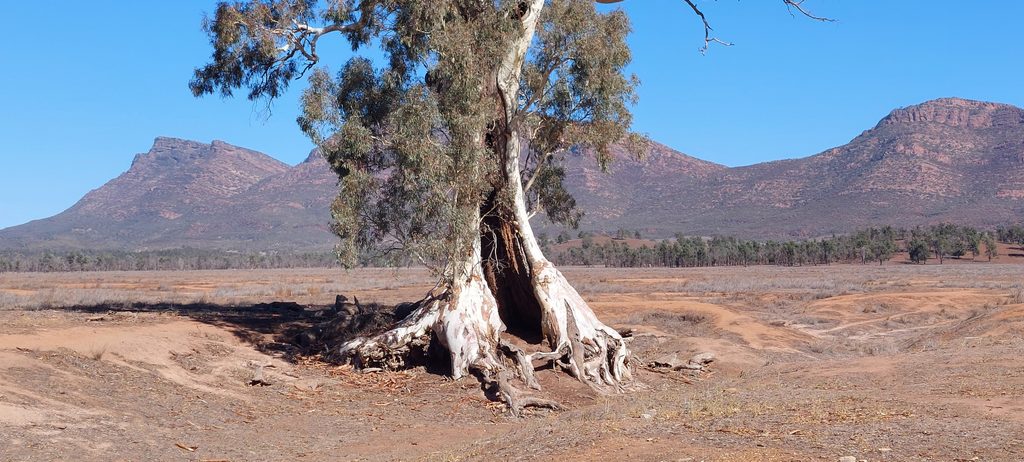
Our Most Famous Tree by James Aitchison

Leave a comment

Here it stands
in the Flinders Ranges,
in arid soil,
scarred by changes.

Still it stands,
hollow yet growing,
spreading shade,
no sign of slowing.

Loved by all
who come to see
Australia’s spirit
in one tree.

This iconic gum became famous in 1941 when photographed by Harold Cazneaux. This photo by Ginette Pestana in 2024.

Anyone for Oysters? by James Aitchison

Leave a comment

Oysters, oysters,
fresh from the bay,
their shells are shining
in the sun today.

They’ve been growing
for one whole year;
the time to eat them
is almost here.

Oysters taste slimy,
some people say.
But I think they’re great,
any old day!

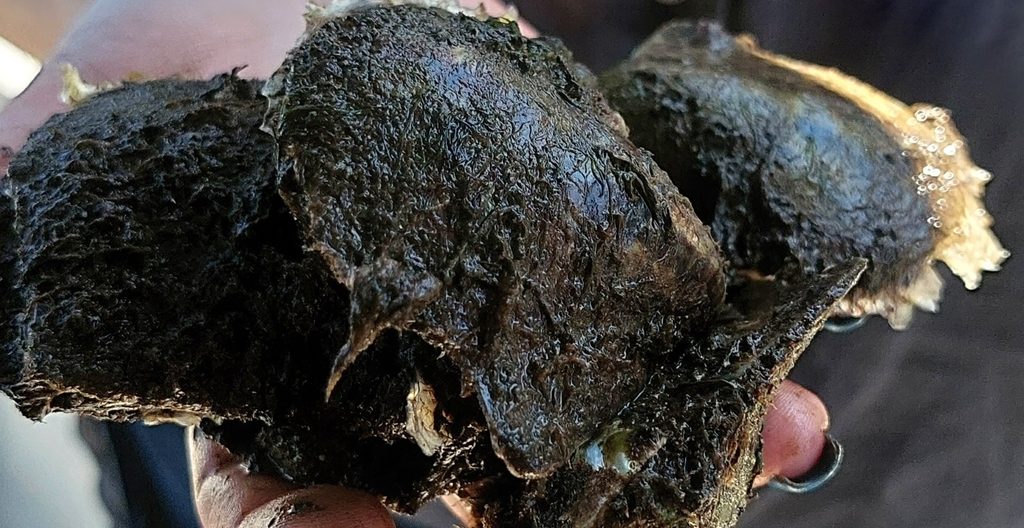
Teacher’s note: It takes a year for an oyster to grow before it’s ready to eat.  People either love them or hate them.  How many students in your class like oysters — and why?  How many know where they come from?  In the photo, the yellow “fingers” are visible — that means the shell has further to grow.

Inspecting oysters at Mooney Mooney, Hawkesbury River. Photo by Ginette Pestana

Peace (Anaphora) by James Aitchison

1 Comment

And did they sing in Gaza?

And did they dance in Israel?

And did they harvest in Vietnam?

And did they love life in Cambodia?

And did Koreans yearn for freedom?

And did they live without fear in Germany?

And did they pursue a better life in Russia?

And did Armenians pray for their survival?

And did we all love peace?

And did we close our eyes to tyranny?

And will we ever do it again …?

Image from Pexels

International Day of Peace. https://internationaldayofpeace.org

2026 Theme: Invest in Peace – For Everyone, Everywhere, Every Day

Teacher’s note: Anaphora is a literary device where a word or phrase is repeated at the start of successive lines or sentences. By repeating the sequence of words, students can add emphasis to their poetry. Poets.org states: “Not only can anaphora create a driving rhythm by the recurrence of the same sound, it can also intensify the emotion of the poem.” 
Our Coat of Arms by James Aitchison

Leave a comment

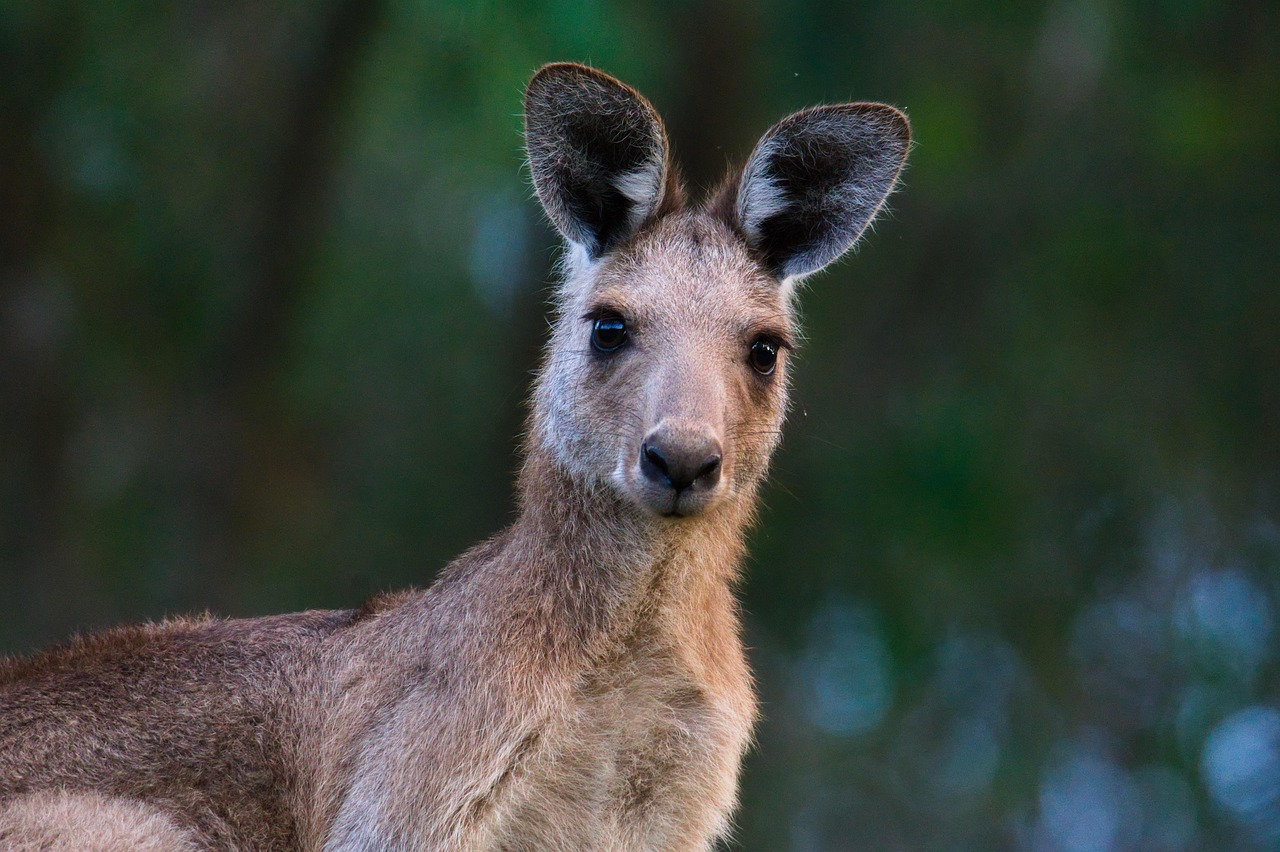
The kangaroo and emu 
are Aussie through and through.
No other country has them,
and the whole world knows that’s true.

Is that why they’re our symbols,
because they’re ours alone?
No — kangaroos and emus can’t
move backwards, it’s well known!

That’s why they’re on our coat of arms,
the fact can’t be ignored:
they symbolise a nation 
that’s always moving forward.

Read more about the Australian Coat of Arms here:
https://kids.kiddle.co/Coat_of_arms_of_Australia

Image from Pixabay