The Circly Wirkly Tree by James Aitchison

Leave a comment

I saw a circly-wirkly tree
making quite a show,
its circly-wirkly branches
in circles liked to grow.
Round and round
without a stop,
up to that bobble
on its top.

At first it made me giddy,
so I sat down in the shade,
and that’s when someone told me
the tree had been hand-made!

Teacher’s note: This poem can be used to talk about topiary, the art of shaping bushes.  Students can be asked to bring examples of topiary to class.
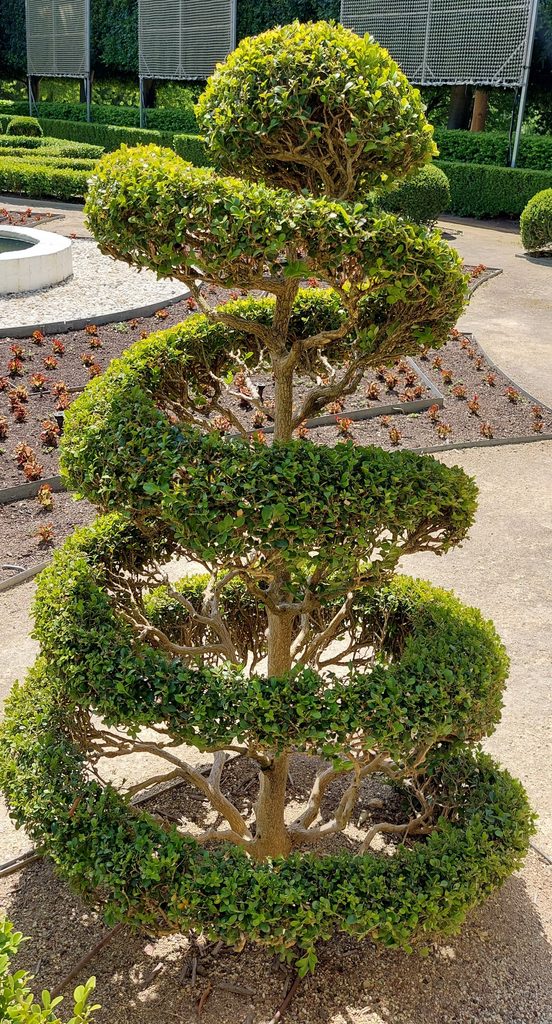
Photo by Ginette Pestana

This post was scheduled for Thursday 22nd October, however we are currently having problems behind the scenes with the ACP website. Please accept our apologies.
Mallee Revival by Celia Berrell

Leave a comment

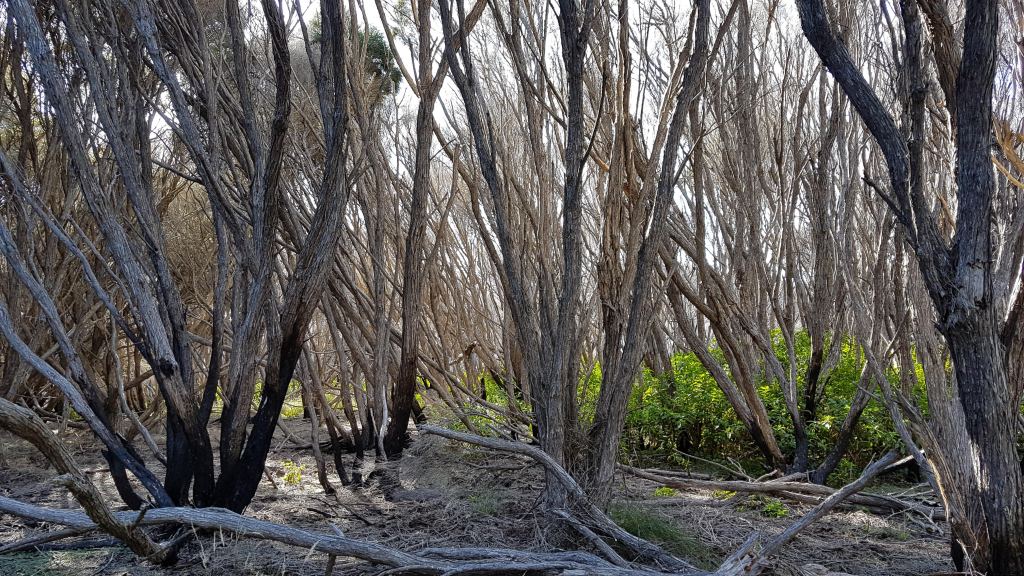
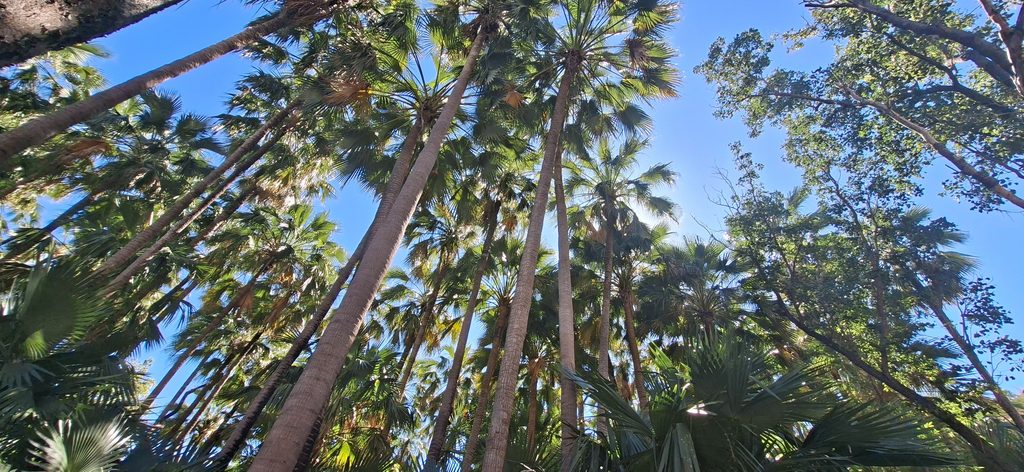
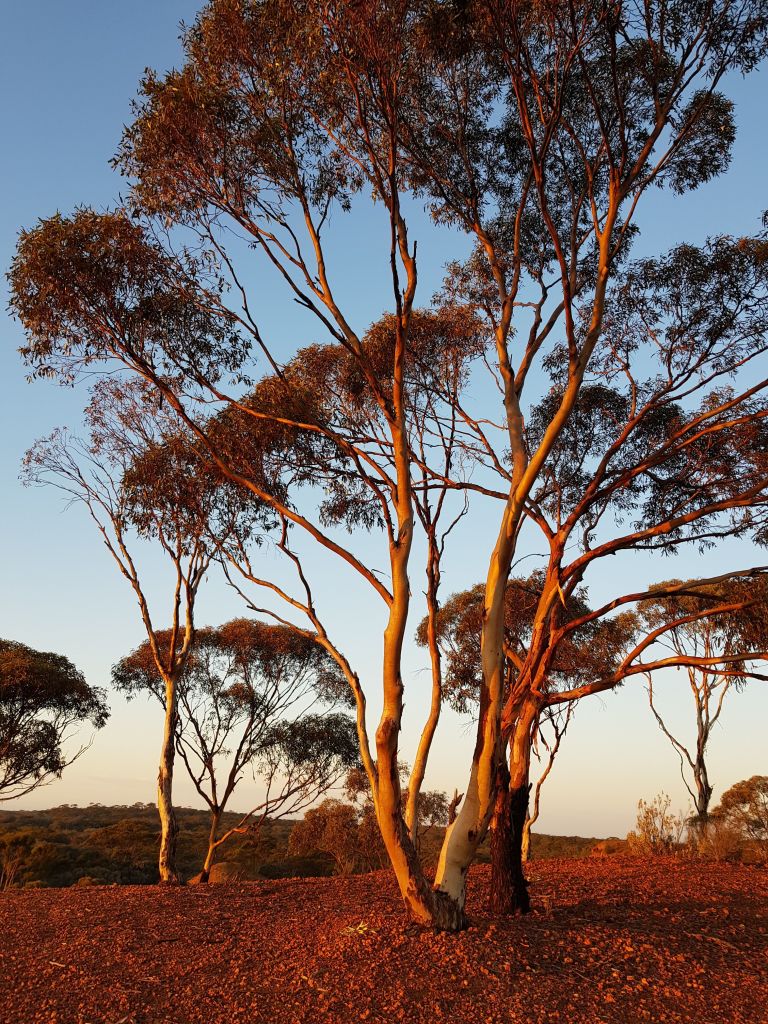
Some eucalypts on desert scrub
politely share the skies,
creating lairs of dappled shade
where spinifex resides.

These mallee trees, like brollies
with their flattened canopies,
have many splaying slender trunks
at varying degrees.

Their knobbly base, a lignotuber,
helps them to survive,
should bushfire kill above the ground,
that mallee’s still alive.

Stored inside its bulbous base,
emergency supplies!
Water, food will grow new stems.
Our mallee tree revives.

Celebrating Science Week and Poetry Month 2026

Image from Pexels

Beneath The Forest Floor by Celia Berrell

Leave a comment

Trees talk.
Conifers converse.
So do evergreens ever shut up?
Or do eucalypts evoke?

Do beech and birch trees
blather and babble?
Do pine trees
permanently prattle,
or tall trees
tittle-tattle?

Silently they do,
through fungal threads.

Moist underground,
a tangle of mycelium,
like mushroom wires,
like strands of chemistry,
sends messages,
warnings and nourishment.

From root to root.
From tree to tree
en-route connecting
their own internet community.

Photo from Pixabay

Jacaranda Tree by Gemma Creegan

Leave a comment

The start of Summer for me
Means tea under the Jacaranda tree.

Sitting on a carpet of purple flowers
I can read and dream for hours.

The birds tweet from on high
As I wave the blossoms goodbye.

The months become colder
I will turn a few months older.

Soon another year will go
Again, the Jacaranda will grow.

Original artwork by Gemma Creegan

The Antarctic Beech by James Aitchison

Leave a comment

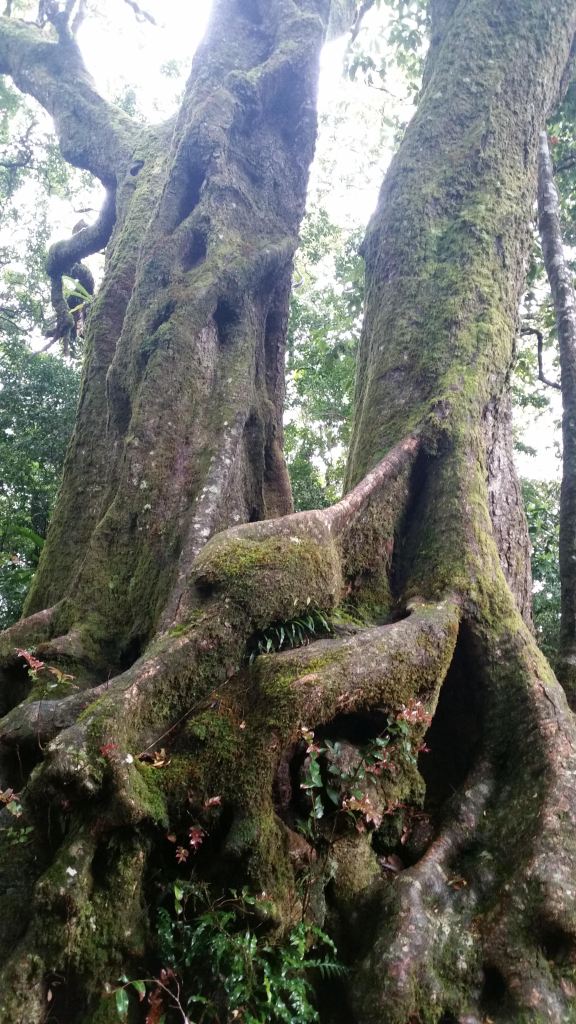
I wandered in a forest deep

and found this ancient tree.

Two thousand years it’s grown here;

lots more it well might see.

They said it’s called a Beech,

born in forests long ago,

before Antarctica 

had turned to ice and snow.

Teacher’s note: Lamington and Springbrook National Parks are located on the Scenic Rim of the Gold Coast hinterland.  Two hundred and twenty-five million years ago, the continents of South America, Africa, Australia and Antarctica, along with India, New Zealand, Madagascar and Arabia made up a single land mass called Gondwana.  When Gondwana broke up 120 million years ago, Australia remained attached to Antarctica. Seventy million years ago, when Antarctica was covered with rainforests, Australia separated and moved north. This Antarctic Beech has survived to this day. Sadly much of the ancient rainforest was lost to logging in the 19th Century.

Decoding Tree-rings by Celia Berrell

Leave a comment

Cutting through tree-trunks

from bark to bark,

we’ll see lots of circles

in light-wood and dark.

Light-coloured bands

mostly grow summer-spring

while autumn to winter

grows thin, darker rings.

Tree-rings grow wide

when it’s wetter and hot,

but tend to grow narrow

whenever it’s not.

Decoding these bands

in an ancient tree

can tell us the climate

historically!

First published in Double Helix (Oct 2021)
Reproduced with permission of CSIRO Double Helix