
Mortimer Frog lived down by the creek,
Down by the creek he lived.
And he croaked by the creek,
Croak, croak, croak,
Down by the creek he croaked.
Mortimer Frog lived down by the creek,
Down by the creek he lived.
And he croaked by the creek,
Croak, croak, croak,
Down by the creek he croaked.
It isn’t quite a beaver, though it has a beaver’s tail,
A freshwater-living mammal, much smaller than a whale.
It’s something like an otter with body dressed in fur.
Its bill and feet are duck-like but it has a poisonous spur.
It burrows into riverbanks to lay its eggs therein.
It swims around in waters while having not one fin.
If you come across it, I urge you not to scream.
It wouldn’t ever harm you. It’s just a monotreme.
Its name can be quite tricky, but you’ll learn it without fuss.
So try:
Or –
Or – nith – or
Ornithorhynchus,
You might call it the platypus.
There once was a pillow
that couldn’t sleep,
not even when
it counted sheep.
It stared at the ceiling
all through the night,
until over the sill
came dawn’s bright light.
I saw a tree
full of crows,
crows in rows,
rows and rows.
How many crows?
Heaven knows!
(Teacher’s note: The collective term for a group of crows is a murder, a horde, a hover, a mob, a parcel, a parliament, even a storytelling of crows.)
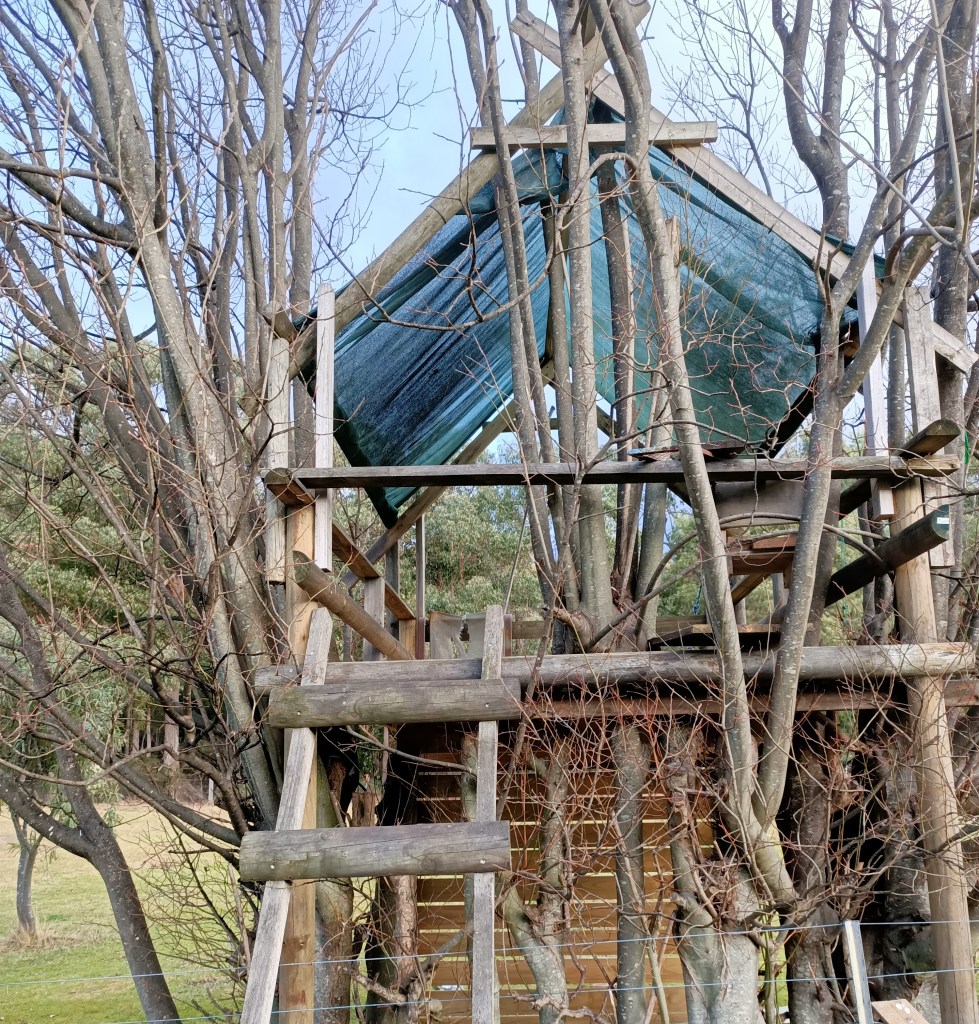
Home to birds and bugs.
Wasps, spiders, grubs and tree house.
Empty when wasps feed.
(In response to Prompt #5)
They stand in desert heat and chill,
Needles drooping as in sleep,
Millions of them resting still
Upon the vast red plain.
Invincible, their roots run deep,
And after fire they grow again.
In response to TREES Prompt
I had a little robot
and it was very smart.
It could tell me anything
but it didn’t have a heart.
Below are a few links that may be of interest if you’re looking to find out more about Artificial Intelligence.
I’d love a Shetland pony,
not too high but low.
What a gentle ride he’d be,
not too fast but slow.
I’d love a Shetland pony,
the colour of a bear.
But how does he see where to go
through all that long, long hair?
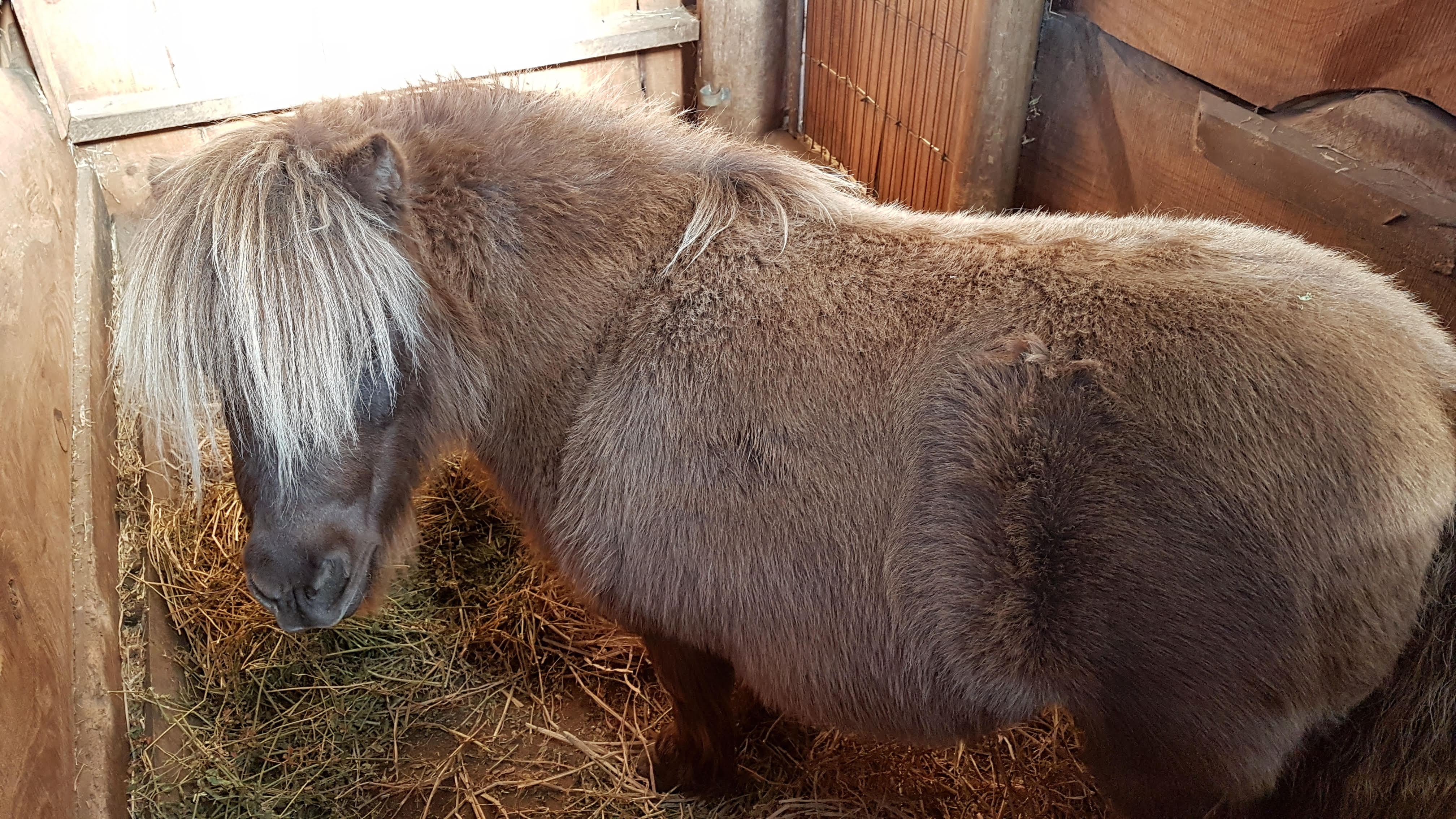

(Teacher’s note: Shetland ponies originated in the Shetland Isles, located northeast of mainland Scotland. They are very hardy and have survived the harsh Shetland climate since the Bronze Age.)
Cutting through tree-trunks
from bark to bark,
we’ll see lots of circles
in light-wood and dark.
Light-coloured bands
mostly grow summer-spring
while autumn to winter
grows thin, darker rings.
Tree-rings grow wide
when it’s wetter and hot,
but tend to grow narrow
whenever it’s not.
Decoding these bands
in an ancient tree
can tell us the climate
historically!
First published in Double Helix (Oct 2021)
Reproduced with permission of CSIRO Double Helix
Three fat pigeons
looking very needy,
waddled around a bakery
in central Coober Pedy.
Pecking at the crumbs
with not a worry in sight,
these three fat pigeons
have given up their flight.
An interesting read about the pigeons who didn’t give up their flight! https://amp.abc.net.au/article/101543770