1942 by Katherine Gallagher

Leave a comment

They’d hoped he’d be back for Christmas –
the lights shining down on him, the tree
somehow shielding off the horror. A break.
The family hadn’t seen him as a soldier,
in his uniform, among harvested paddocks,
the dried stubble that pricked your legs.


Arriving home, he said Merry Christmas,
hugged people and slapped them on the back.
Wandered about the place, eyes crinkled
with strain, lines dug
into his forehead. So young, he seemed
to be either laughing or very sad
as though, in between,
there was nothing.

In response to November prompt Remembrance Day.
Anticipation by Jeanie Axton

Leave a comment

Dedicated to Gwen and her Golden Retriever Louie.

The sun is setting 

a coloured sky awaits,

“Lets get moving

We cant be late”

We walk and we talk

as we pick up the pace,

towards the sunset

at our sacred place.

To the end of the pier

we arrive at our spot,

out comes the phone 

for our nightly shot.

On the way home 

I look back and grin

“Thanks for the walk,

Lets do this again”.

What The Driver Saw by James Aitchison

Leave a comment

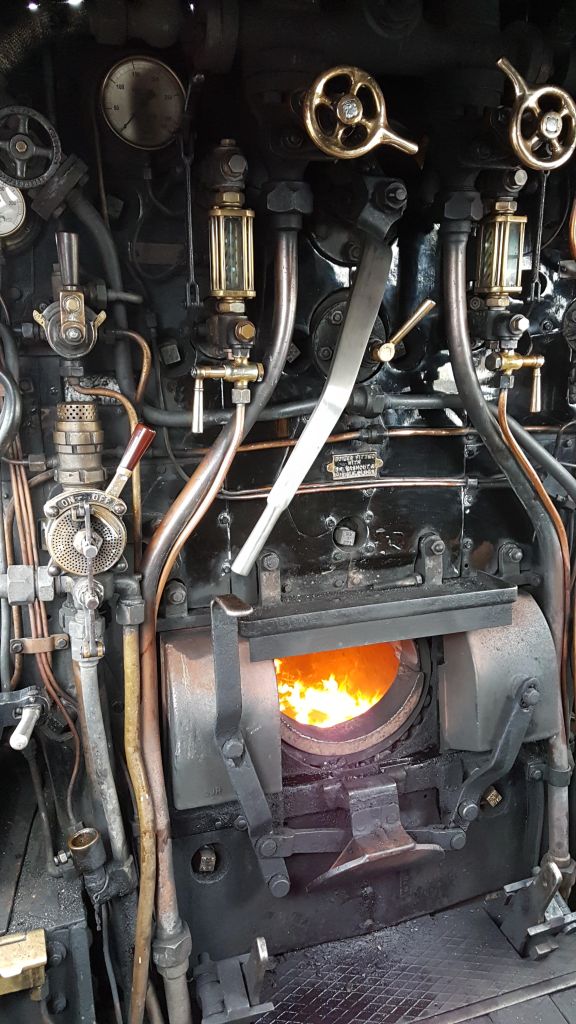
Aboard an old steam loco, 

many years ago,

the driver and the fireman 

worked by the firebox glow.

They stood upon the footplate,

wood layered over steel,

where the engine driver could

control the loco’s wheels.  

The fireman shovelled coal — 

he had no time to dream —

heating water in the boiler

to keep up lots of steam.

I Did Not See The Cat by Marcus Ten Low

Leave a comment

I did not see the cat play dead.

I did not see her on my head—

I did not see her hide inside

My newest hairdo wild and wide.

I did not hear her caterwaul,

Nor see the scratches on the wall,

I did not see her eat the mouse,

Or hide the body ‘neath the house.

I did not give her balls of yarns

Stored up in Grandma’s giant barns,

Nor see her with her claws destroy

Gran’s crochet, with a look so coy,

Nor leap off Grandma’s rocking-chair,

I did not see her anywhere—

I did not see her tip the vase

Of flowers, or upset the jars,

Or scowl to spy the neighbor’s cat,

Or hide under the tall top hat—

All that I saw was clearly that:

The cat sat on the mat.

Town Invasion by Jenny Erlanger

Leave a comment

The monster approaching with giant black eyes
looks hostile and ever so chilling.
Its freaky companion, of frightening size,
is certainly out for a killing.

And standing nearby is another weird creep.
This one’s pretty skinny and hairy.
It must be a zombie, it seems half asleep.
I’ve never seen something so scary.

And here comes a creature with blood-coated jaws
whose stare is quite clearly satanic.
It’s carving the air with its menacing claws
and looks most decidedly manic.

A lot more have gathered and formed into groups,
they’re constantly shrieking or grunting.
Assembled together in nightmarish troops,
They’re focused on scaring and hunting.

The treats have been awesome, the feast’s been a blast,
as always, a night to remember.
Of course, the excitement is not going to last.
Tomorrow’s the start of November.

In response to Celebrations prompt

The March by Jacinta Lou

Leave a comment

Skeletons dance to a haunting tune,
as witches chant their spells to the moon.

Zombies march. White ghosts howl.
Cats screech loudly to the hoot of an owl.

Lock up your children, keep them inside.
Beware what will happen, so run – run and hide.

They will join in the march, zombies witches and more,
and fill you with dread as they knock on your door.

Knock. Knock. KNOCK!

Trick or treat?

In response to Celebrations prompt

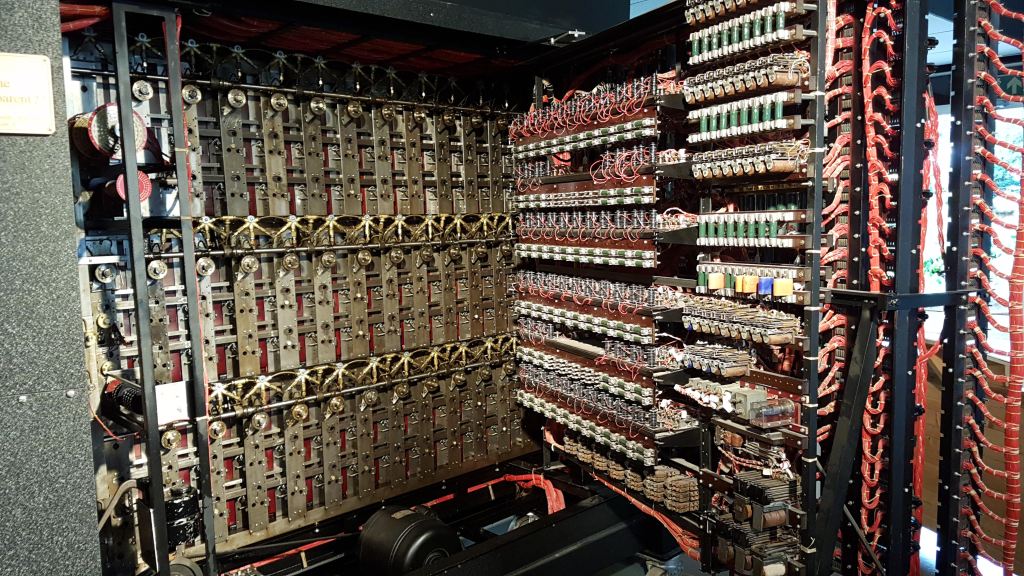
Mr Turing’s Computer by James Aitchison

Leave a comment

You can carry a laptop to school,

but it wasn’t always that way.

The first computers were huge,

way back in the day.

They were used to break secret codes,

so we’d know the enemy’s plans.

And after the war was over,

they were soon in everyone’s hands.

We take them for granted today,

but once they didn’t exist.

If we didn’t have them now,

do you think they would be missed?

Teacher’s note: During the Second World War, Alan Turing (1912—1954) was a code breaker who worked in Hut 8 at Bletchley Park in England.  Pictured above is a bombe, the electromechanical machine which cracked the enemy’s Enigma code.  Turing’s pioneering work in computer technology sped the development of today’s computers.  It is estimated that his code breaking computer science shortened the war in Europe by more than two years and saved over 14 million lives.

Toothpaste Waste by James Aitchison

Leave a comment

I bought a tube of toothpaste

and squeezed it from the top.

I was getting lots of toothpaste out,

till people yelled for me to stop!

“You should squeeze it from the bottom,

then roll the tube up neatly.

That way you won’t waste toothpaste

’cause you’ll use it all completely!”

Teacher’s note: Use this poem to ask students how they avoid wasting toothpaste and other products around the home, and why it’s a good idea to avoid wastage of any kind.