“Scene at School“ by Monty Edwards

Leave a comment

The picture in the history book 

Caused me to take a second look.

Some boys were scaling up a wall;

It looked to me someone might fall!

The wall had windows: large ones too,

As schools built long ago can do.

These give the students lots of light

And so protect their precious sight.


The walls composed of solid brick,

Had helped these boys perform their trick,

With bricks protruding left and right,

Which hands could grip and hold on tight,

While feet found rest on bricks below,

Until again they’d upward go.

I could not tell how high they dared, 

But no boy looked especially scared.


Do schools allow such tricks today?

Expect to hear a swift “No way!”

Since if one child were ever harmed

Then parents would all be alarmed.

The school would feature in the news,

Including irate parents’ views.

These days we’re much more risk averse,

Some think that’s better, others worse.


“Let’s make a promise (during the pandemic)“ by James Aitchison

Leave a comment

Let’s make a promise 

                         (during the pandemic)

We promise we’ll unite

When danger’s in the air,

We’ll always do our part

And take that extra care.

We’ll do what Aussies do,

For others we’ll prepare,  

We will not be selfish —

We’ll keep our nation fair.

So let us not forget,

We Aussies give our best,

When we face any threat  

That puts us to the test.

“Body Bacteria” by Celia Berrell

Leave a comment

Body Bacteria  

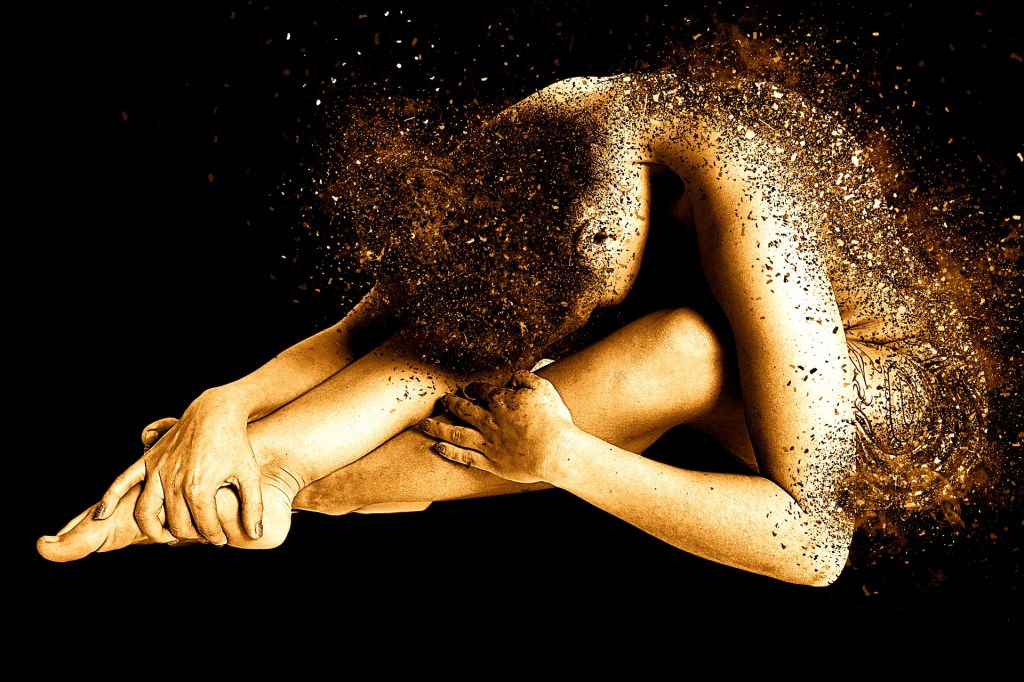
Flaky, floaty flecks of skin

make spacecraft for our body’s bugs.

They’ll colonise most anything

from where we step to who we hug.

My bugs are different from yours.

With many species grown and mixed

to make our unique signatures.

It seems our bugs are fairly fixed.

So, could bugs be our new ID?

Like fingerprints we can compare?

Forensic science might declare

“Your bugs told us that YOU were there!”

https://www.nationalgeographic.com/science/phenomena/2015/05/11/can-the-microbes-you-leave-behind-be-used-to-identify-you/

WHEN YOU TOUCH a surface, you leave behind fingerprints—distinctive swirling patterns of oils that reveal your identity. You might also deposit traces of DNA, which can also be used to identify you. And you leave microbes. You are constantly bleeding microbes into your surroundings, and whenever you touch something, bacteria hop across from your skin.

It’s increasingly clear that everyone has a unique community of microbes—or microbiome—living on their bodies. We share species and strains but the exact roll call varies from person to person. “If you take a collection of people, their microbes will look very different but their genomes will look mostly the same,” says Curtis Huttenhower from the Harvard School of Public Health. So, could the DNA of these tiny variable residents also reveal our identity, just like fingerprints or our own DNA?